

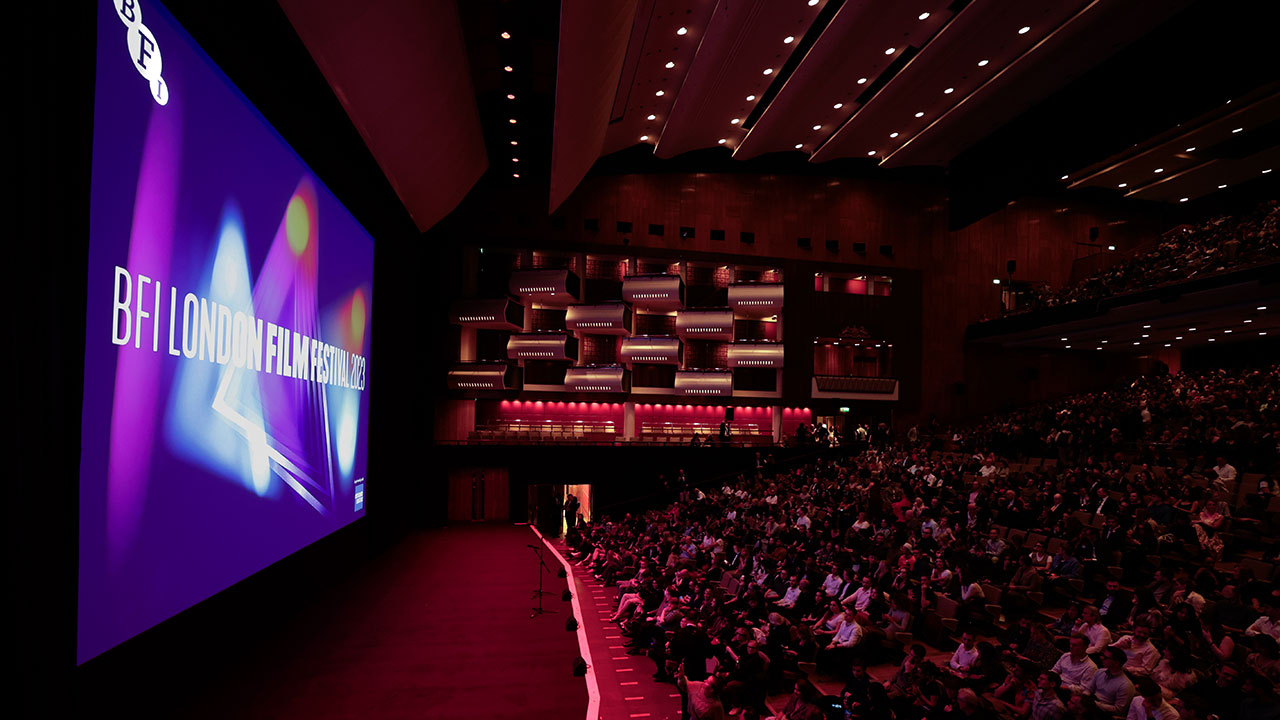
Every October, London quietly morphs into a cinema: streets hum with rehearsed excitement, foyer lights glow later into the night, and the cinematic diaspora — critics, cinephiles, filmmakers, popcorn purists and the casually curious — converge on the Southbank and screens across the city. This year, the BFI London Film Festival returns as a two-week extravaganza running 8–19 October 2025, transforming theatres, galleries and unexpected corners of the capital into a living storyboard of global cinema.
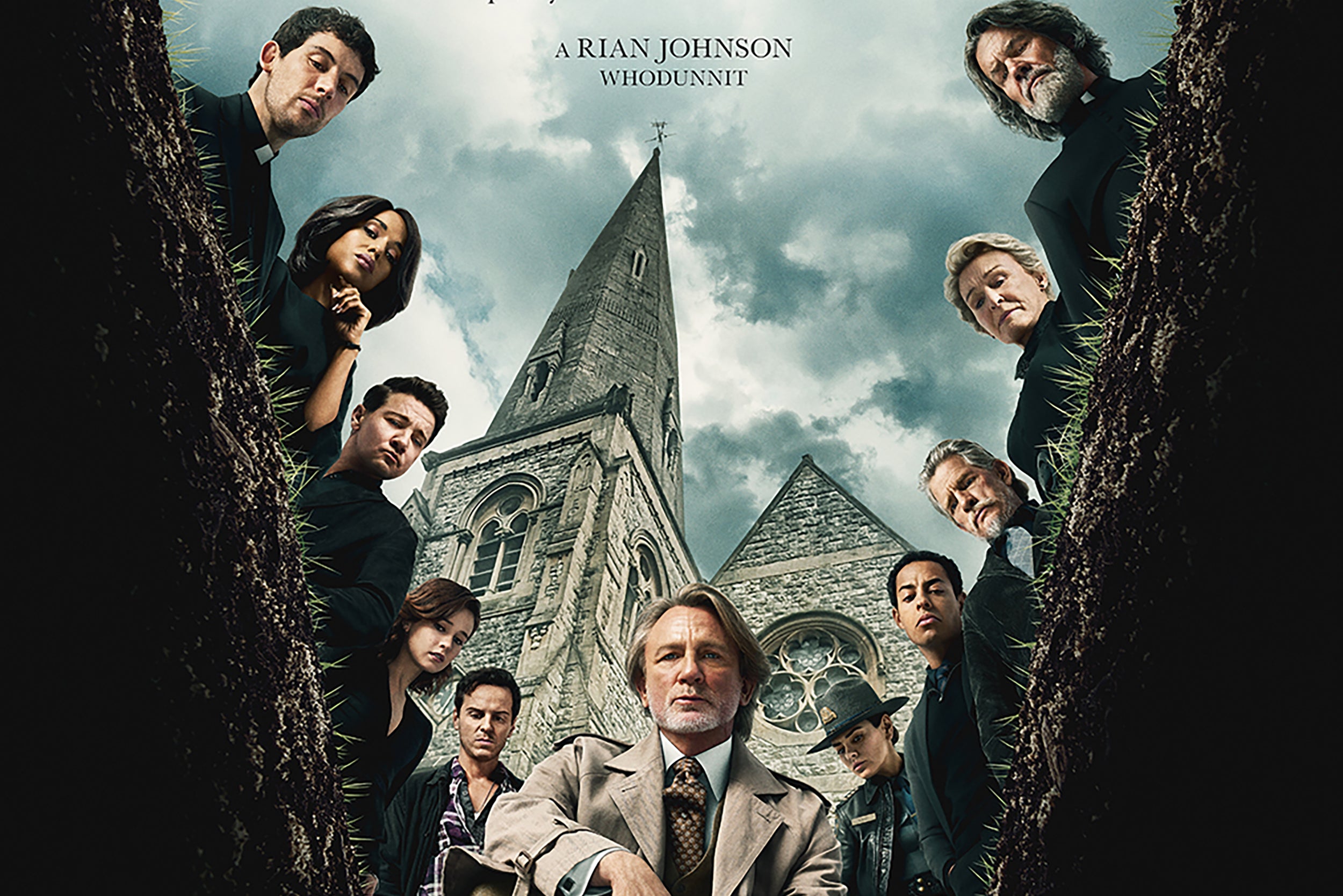
If you’ve been to the festival before, you’ll know there’s a particular electricity in the air on opening night: the velvet hush, the flash of cameras, the collective gulp before the curtain lifts. For 2025 the LFF has chosen a crowd-pleasing, star-studded opener — Wake Up Dead Man: A Knives Out Mystery — a whiplash of pastiche and precision that promises to kick the festival off with wit, mystery and a certain deliciously British chaos.
The scope: a global city’s cinematic feast
The 69th edition is expansive: the full programme lists 247 features, shorts, series and immersive works from 79 countries, a number that reflects the festival’s twin ambitions — to be both a mirror of world cinema and a beacon for new voices. Whether your tastes veer towards auteur experiments, powerhouse premieres, documentaries that make your heart ache, or intimate debuts, this year’s curation is proof that the festival still revels in the old-fashioned joy of discovery.
The festival screens across the capital — BFI Southbank remains the beating heart, but partner venues from independent picture houses to repertory giants, plus UK-wide on-tour showings, mean you can follow the festival trail well beyond the Thames. Online platforms and regional screenings also knit the nation into the weekend’s cinematic map, allowing regional audiences to partake in premieres and highlights. For city visitors, this is a good year to plan a schedule that leaves room for accidental encounters — sometimes the best festival moments are the ones not on your ticket confirmation.
Headline moments — what the press releases want you to notice
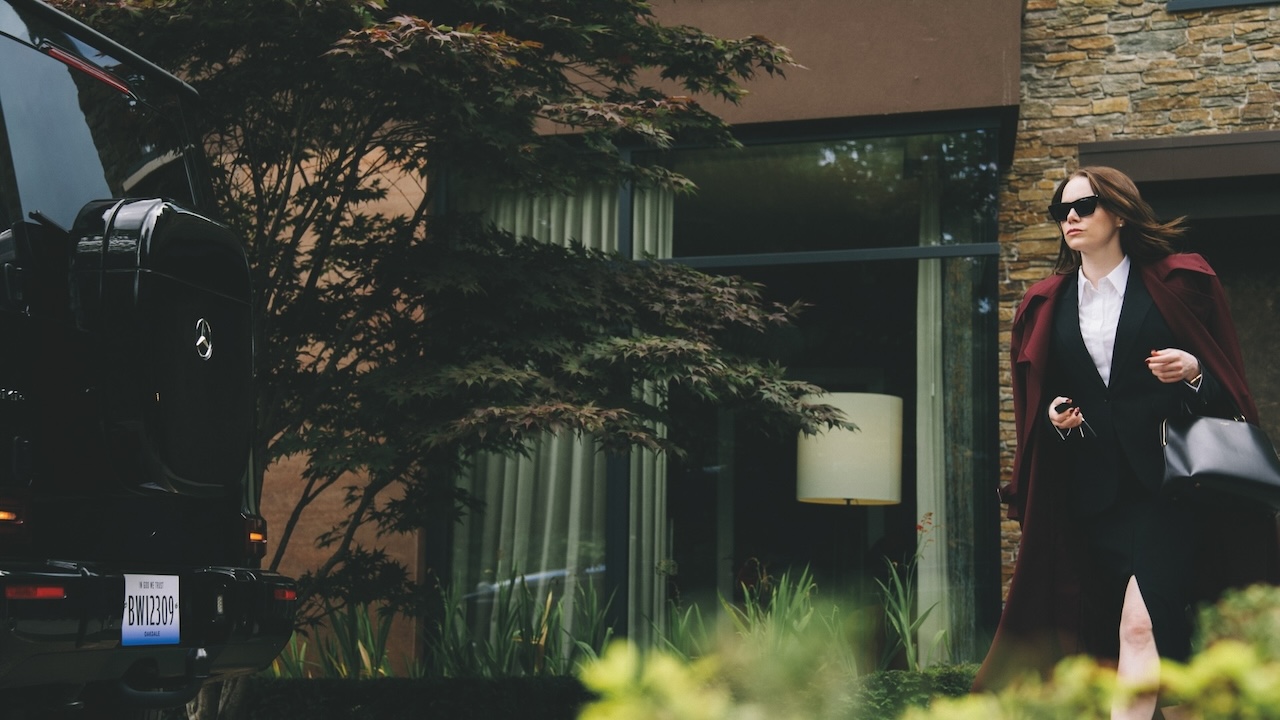
There are certain marquee attractions: galas, jury-competition titles, and films by names that draw queues around the block. This year’s programme includes anticipated works by big-name auteurs and actors: from Chloé Zhao and Yorgos Lanthimos to Guillermo del Toro, plus home-grown cinema that will stage its own kind of soft revolution on the capital’s screens.
Beyond the glitz, organisers have flagged strands that speak to pressing concerns: curated selections examining inequality, the climate crisis, and the push for more diverse representation behind and in front of the camera. These are not tacked-on boxes; they’re woven into the programme as a reminder that festivals are as much cultural conversation-starters as premiere platforms. Expect talkbacks, panels and director Q&As where the film is only the beginning of the story.
The films to jot down now (a selective preview)
Rather than exhaust the full list, think of these as compass points for your festival map — films likely to provoke line-ups, debates, and, yes, social media chirps:
- Wake Up Dead Man: A Knives Out Mystery — A sharp, crowd-pleasing opener that sets the tone for festivities: smart, starry, and very watchable.
- High-profile auteur offerings — Expect work from the likes of Chloé Zhao and Yorgos Lanthimos, whose projects often provoke both fandom and debate.
- UK premieres and homegrown voices — The festival has long been a stage for British cinema to hatch its next iconic voice.
- Documentary highlights — LFF’s doc slate is reliably bold, often bringing human-scale stories that linger after the lights come up.
There’s joy in the hunt: read a few synopses, mark a handful of must-sees, but keep room in your itinerary for surprise discoveries. Some of the festival’s most talked-about entries often start as small, unheralded gems.
Immersive and the unexpected: VR, installation and crossover
Film is morphing — or, perhaps more fairly, expanding. The LFF’s inclusion of immersive works and VR lounges signals an ongoing interest in how stories are told beyond the rectangular screen. These spaces often feel like mini-museums for the senses: installations that invite interaction, headphones that isolate you into private worlds in public, and pieces that challenge how narrative and presence intersect. If you’ve never tried an immersive festival piece, schedule at least one — they’re the kind of thing that will make you reconsider how a ‘viewing’ can feel.
People and panels — where the industry meets the audience
Festivals are more than films; they’re town squares for the industry. LFF’s programme includes panels, workshops, and conversations that often feature the people who made the films: directors, producers, actors, cinematographers, and composers. For those who love the craft, there will be masterclasses and career-focused events, including the Future Film Festival which aims at nurturing emerging talent. The festival’s industry days remain a crucial meeting place for deals, co-productions, and the kinds of conversations that lead to the next great project.
A festival for every kind of viewer
What makes LFF feel democratic is how it balances cinephile indulgence with mass appeal. If your perfect festival day comprises a big gala, a tiny documentary and a midnight genre shocker, you’ll find that here. If you’re exclusively about auteur cinema and post-screening debates, the competition and curated strands will keep you busy. Families and younger audiences aren’t sidelined either; there are dedicated programmes and screenings suitable for younger viewers and first-timers. Planning is the friend of festival survival — and serendipity is its delight.
Practical tips from a seasoned festival-goer
- Book the big-ticket galas early. Opening nights and high-profile premieres sell out fast.
- Layer your schedule. If you can’t get into a sold-out screening, have a strong Plan B that’s nearby.
- Carry a pocket-sized survival kit. Water, a snack, a power bank, and an umbrella fit the London weather temperament. Also: comfortable shoes.
- Stay social but strategic. The festival is a people place — panels and queues are where you’ll meet interesting souls. But carve time to watch films uninterrupted; they’re the reason we’re all here.
- Check late additions. Festivals sometimes announce surprise screenings or pop-up Q&As; follow official channels for last-minute delights.
The mood of the moment: what this year’s programme is quietly saying
Every festival is a cultural barometer. This year, the LFF’s balance of high-profile studio fare and risky independent work suggests a city and a festival negotiating between global spectacle and local specificity. The presence of films that interrogate social fissures — from economic precarity to migration and identity — mirrors wider cultural preoccupations. Yet there’s also room for lightness: thrillers, comedies, and genre fare that remind us why going to the cinema can be pure, communal pleasure.
London itself: a character in the programme
Film festivals are place-specific in the way they reflect and refract the city they inhabit. London’s cosmopolitanism is visible in the programme’s global breadth and the mix of languages and cultures on show. The Southbank’s urban theatre, the indie cinemas tucked into side streets, and the late-night pub conversations after screenings all make the festival feel less like a sequence of events and more like a temporary cultural neighbourhood. For visitors, allow yourself to live like a local: eat where film folk eat, linger longer where debate runs late, and let the city outside the theatre become part of the narrative.
Why festivals still matter
In a world where streaming brings a universe of content into a living room, festivals offer the opposite: a concentrated, communal way to experience cinema. There’s ritual in the shared gasp, the hush before a plot twist, the applause that resists the smugness of an algorithm. Festivals curate context — introducing new voices, sparking conversations that ripple beyond reviews, and giving films a first life that can shape their afterlives in distribution and awards seasons. LFF, with its mix of scale and curiosity, remains one of those places that can turn a small film into a cultural moment.
The local angle: supporting British cinema
The London Film Festival has long been a platform for UK filmmakers. The 2025 programme continues this tradition, offering premieres and showcases for British talent — both established names and emerging filmmakers. For UK film lovers, LFF is not merely about seeing international cinema; it’s also about watching your own cultural conversation play out on a big screen. Expect to encounter films that speak specifically to British life, its contradictions, and its imaginative possibilities.
After the credits: what to take home
A festival is a compressed season of cinematic experiences. You’ll leave with titles written in the margins of notebooks, with debates in your head, and perhaps with a sense of having lived in a culture for a fortnight. The LFF gives you the breadth to be surprised and the scale to feel part of something larger than a single screening. Carry that sense of discovery home — recommend a small film to a friend, write a short review in your own words, or simply remember the way a film felt in a darkened theatre with strangers who, for two hours, were not strangers at all.
Final note: how to stay informed and where to buy tickets
Tickets and membership passes are available through the BFI and partner venues; memberships often grant early access and special offers. Keep an eye on official festival channels for programme updates, late additions, and special events. If you’re planning a festival pilgrimage, book the big nights early, be ready for delightful scheduling improvisation, and, above all, bring an appetite for things you didn’t know you needed to see.
The LFF is a reminder that cinema is a public art — and that, come October, London becomes a place that watches, listens, argues and applauds together. See you at the Royal Festival Hall, in a darkened cinema somewhere in Soho, or queuing for a Q&A where the director will say something unexpectedly honest. The lights will dim, the projector will hum, and for a roomful of strangers we will all briefly be in the same story.
You may also like...
 Russian Film Week Festival Returns to London at Odeon Luxe Leicester Square
 The Golden Unicorn Awards 2021: McMafia meets Shakespeare in London
 Cannes 2025 Unveils Star-Studded Lineup with Scarlett Johansson, Paul Mescal and Tom Cruise Leading the Charge
 Tom Cruise Returns to Cannes in High Gear with Mission: Impossible – The Final Reckoning
 A Fever Dream in the Desert: Ari Aster’s Eddington
 A Generational Tapestry: Mascha Schilinski’s Sound of Falling