

Croisette, 21 May — When the Festival Reveals Itself
By the time the Cannes Film Festival reaches its midpoint, illusion gives way to clarity.
Opening-night glamour fades into routine; the choreography of premieres becomes muscle memory. What remains—what truly matters—are the films themselves. Conversations sharpen. Opinions harden. And quietly, almost imperceptibly, a hierarchy begins to form.

Cannes 2025 is not a festival of consensus. It is a festival of conviction.
At this stage—21 May—the Competition has revealed a striking pattern: bold auteurs, emotionally volatile narratives, and a recurring tension between control and chaos. The Croisette hums not with agreement, but with debate.
The Early Front-Runners: Films Owning the Conversation
Among the early Competition titles, a few films have emerged not just as highlights—but as defining works of this year’s festival.
Lynne Ramsay — Die, My Love
The most visceral response so far belongs to Lynne Ramsay.
Die, My Love arrives like a psychological rupture—raw, unrelenting, and deeply internal.
Driven by a ferocious central performance (already dominating conversation across critics’ circles), the film explores emotional instability with Ramsay’s signature sensory intensity. Sound design fractures reality. Editing disorients. Time becomes elastic.
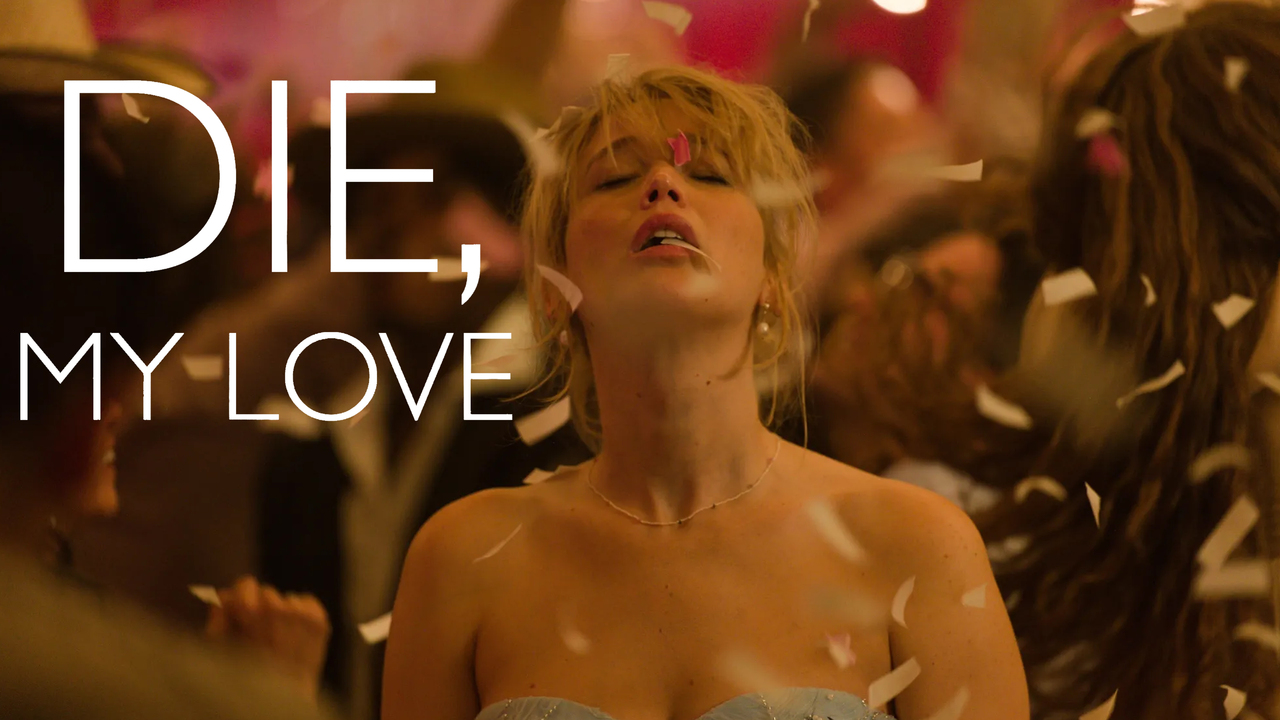
Reactions have been immediate and powerful:
- Sustained standing ovation
- Divided critical interpretation
- Early Best Actress speculation
This is not an easy film. But Cannes has never rewarded comfort.
Joachim Trier — Sentimental Value
If Ramsay represents chaos, Joachim Trier delivers precision.
Sentimental Value is, on the surface, a film about family and memory—but beneath it lies something more surgical: an examination of how people curate their own emotional histories.

Trier’s control is absolute. Every frame feels intentional. Every silence carries weight.
Critics have responded with near-universal respect. Not overwhelming passion—but something more dangerous in Cannes terms: consensus admiration.
And that often translates well with juries.
Kleber Mendonça Filho — The Secret Agent
Political, layered, and quietly gripping, Kleber Mendonça Filho’s latest work is gaining steady momentum.
The Secret Agent unfolds with restraint, gradually revealing a narrative shaped by surveillance, identity, and state power. It does not announce itself loudly—but it lingers.
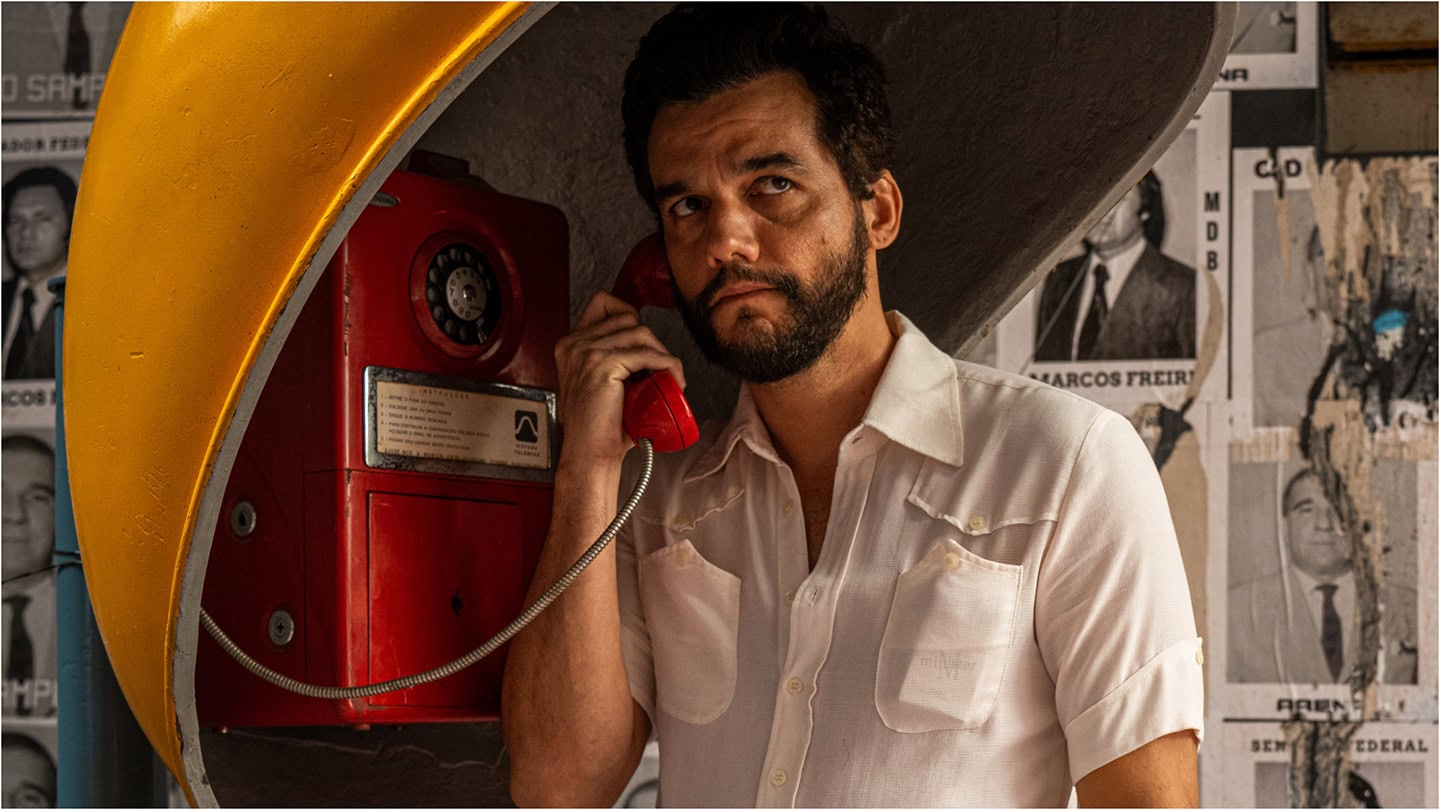
Among industry insiders, it is increasingly being discussed as a dark horse Palme contender—the kind of film that builds strength over the course of the festival rather than exploding on arrival.
Jafar Panahi — It Was Just an Accident
Few directors carry the symbolic weight of Jafar Panahi at Cannes.
His latest film is deceptively simple, almost understated in form. But beneath its minimalism lies a quiet defiance—a continuation of Panahi’s long-standing dialogue with authority, restriction, and personal freedom.
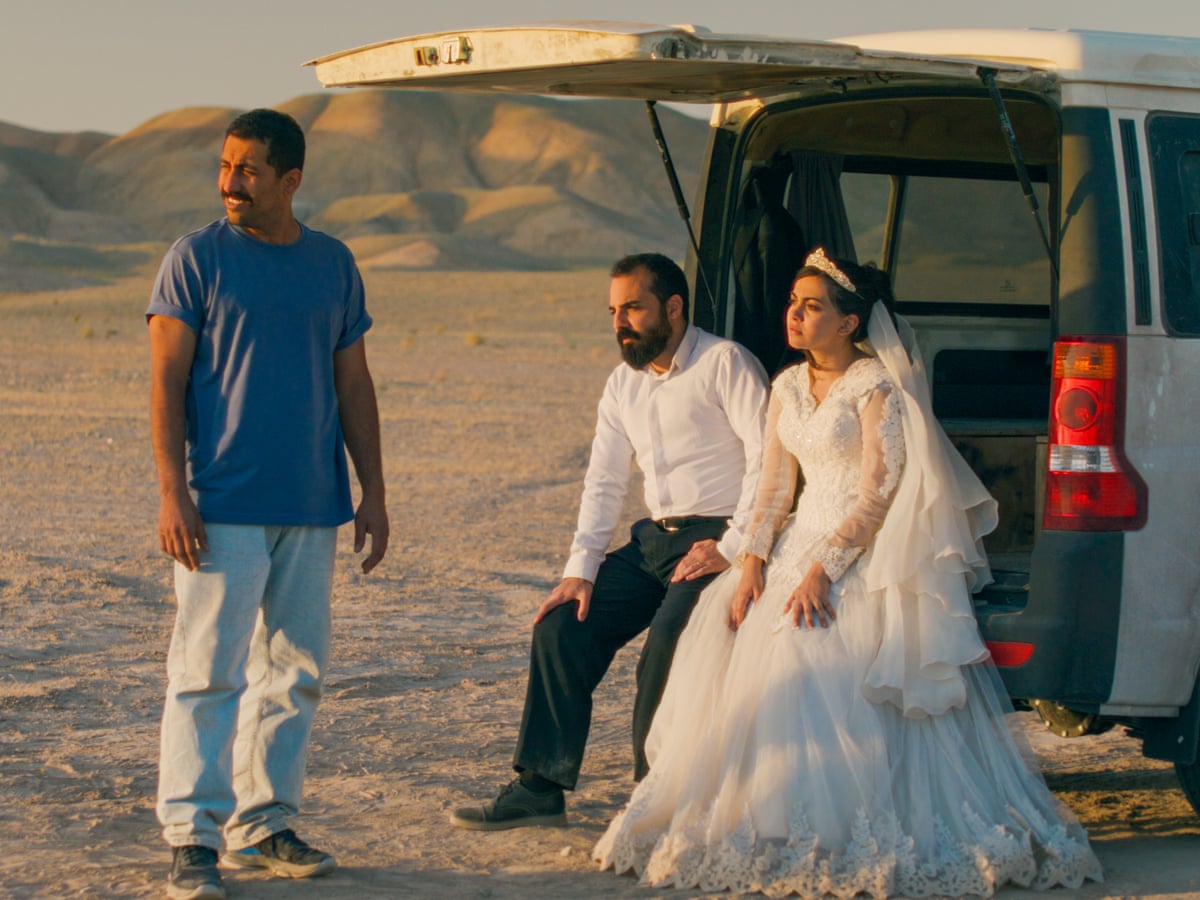
Critics have responded with deep respect rather than overt enthusiasm.
And yet, Cannes juries have historically embraced films that carry moral and political resonance.
This one cannot be underestimated.
The Divisive Forces: Films Splitting the Palais
No Cannes is complete without fracture—and 2025 offers several fault lines.
Ari Aster — Eddington
Perhaps the most debated film of the festival so far, Eddington marks a sharp turn for Ari Aster.
Moving away from horror into politically charged territory, Aster constructs a narrative that feels deliberately unstable. Tonal shifts are abrupt. Dialogue oscillates between satire and sincerity.
The response?
- Applause
- Confusion
- Walkouts
For some, it is bold and necessary. For others, it is indulgent.
But in Cannes, polarization often equals relevance.
Julia Ducournau — Alpha
Following the Palme d’Or success of Titane, expectations for Julia Ducournau were immense.
Alpha does not attempt to replicate past success. Instead, it pushes further into physical and emotional extremity. The film is less accessible, more abstract, and unapologetically intense.
Critics remain divided:
- Some see a fearless auteur expanding her language
- Others question whether the film sacrifices coherence for impact
Either way, it refuses indifference.
Oliver Laxe — Sirât
Among the most quietly radical entries, Sirât from Oliver Laxe has become a festival conversation piece.
Minimalist, spiritual, and structurally unconventional, it unfolds at a pace that demands patience. Some viewers are captivated. Others disengage entirely.
But for those who connect with it, the film feels profound.
This is exactly the kind of work that can surprise in final jury deliberations.
The Palme d’Or — Midway Predictions
At the halfway mark, a tentative structure is emerging.
Leading Contenders
- Die, My Love — for performance and intensity
- Sentimental Value — for precision and control
- The Secret Agent — for political depth
Serious Challengers
- It Was Just an Accident — for symbolic weight
- Sirât — for artistic boldness
Wild Cards
- Eddington
- Alpha
But Cannes has a history of late disruption.
Nothing is secure.
Final Frame — Before the Shift
The second half of the festival will change everything.
New premieres will arrive. Narratives will shift. Favorites may fall.
But as of 21 May, Cannes 2025 stands as a festival defined not by spectacle—but by intention.
Quiet, controlled, and occasionally explosive.
A cinema that does not demand to be seen—
but insists on being understood.
You may also like...
 Cardi B Performing in Nothing But a Bathrobe Is a Big Mood
 Emma Stone Reportedly Welcomed Her First Child with Husband Dave McCary
 The Golden Unicorn Awards 2021: McMafia meets Shakespeare in London
 André Leon Talley, the Legendary Fashion Force, Has Died
 Queen Elizabeth II Has Died at 96 Years Old
 A Fever Dream in the Desert: Ari Aster’s Eddington