

Among the most anticipated premieres at the 2025 Cannes Film Festival, few carry as much intrigue—or emotional weight—as Eleanor the Great, the directorial debut of Scarlett Johansson. Long celebrated for her performances in both intimate indie dramas and blockbuster franchises, Johansson steps behind the camera for the first time with a quietly profound film that reflects her evolving creative ambitions.
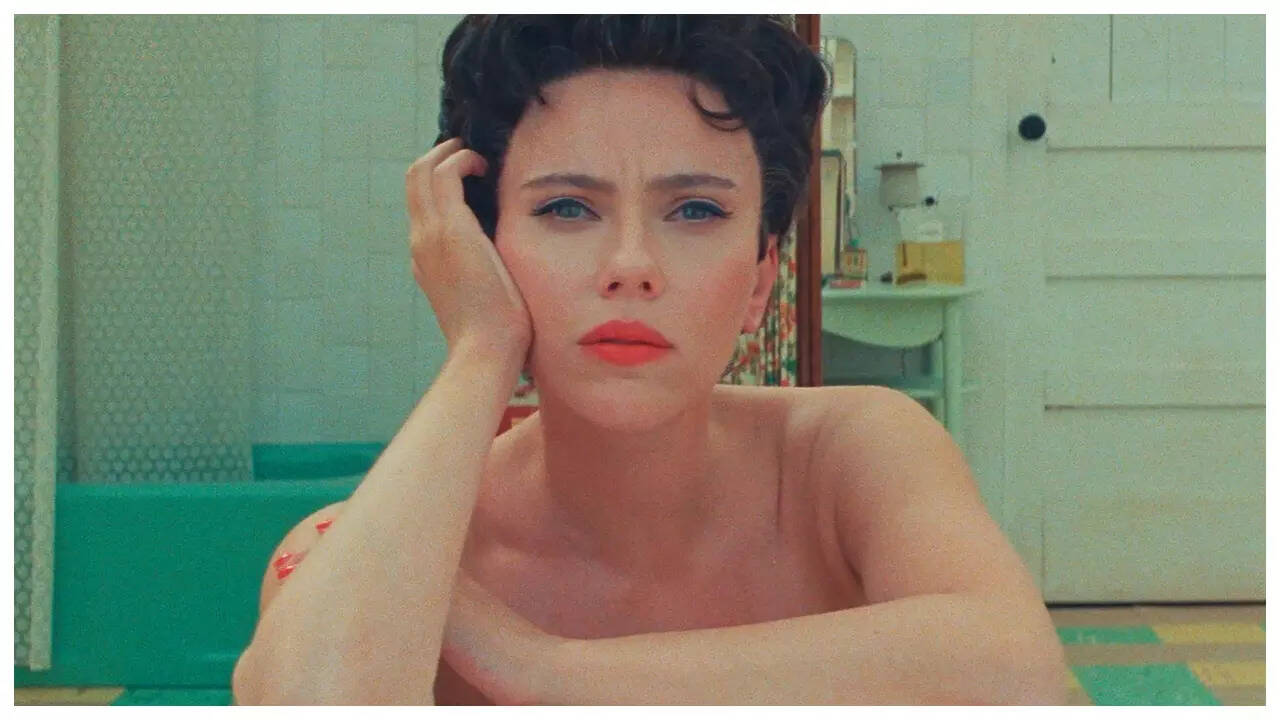
Making its debut in the Directors’ Fortnight section, Eleanor the Great is a tender, character-driven story that explores the emotional terrain of aging, loneliness, and the unexpected friendships that can transform a life. In this deeply human tale, Johansson crafts an understated yet deeply affecting portrait of reinvention in one’s later years, proving herself a filmmaker of both sensitivity and insight.
The Story: Reinvention at 90
The film centers around Eleanor Morgenstern (played by the ever-brilliant June Squibb), a sharp-tongued, spirited 90-year-old woman living in the solitude of small-town Ohio. After the death of her last surviving friend, Eleanor is left adrift, reflecting on a life of routine, missed connections, and what-ifs. Rather than resign herself to the shadows of old age, Eleanor makes a radical decision: she moves to New York City to begin anew.
What follows is not a clichéd fish-out-of-water comedy, but a deeply authentic and gently humorous exploration of personal growth, intergenerational bonding, and the right to dream—even at ninety. In New York, Eleanor befriends a young community organizer (played by Chiwetel Ejiofor) who becomes an unexpected anchor in her journey toward self-reclamation. Through this cross-generational friendship, the film delves into themes of purpose, memory, and the power of human connection.
A Delicate Touch: Johansson’s Direction
As a director, Scarlett Johansson surprises. Gone is the glitz associated with her Hollywood image; in its place is a filmmaker drawn to stillness, nuance, and character detail. Her work in Eleanor the Great shows a clear influence from the likes of Noah Baumbach and Sofia Coppola—directors with whom she has previously collaborated. But she also brings a voice of her own, grounded in empathy and restraint.
The film’s visual language is soft and elegant, with warm natural lighting and a painterly sense of composition. Johansson’s pacing is unhurried, giving her characters the space to breathe and the story room to unfold organically. The film avoids melodrama, instead favoring small, poignant moments—an awkward conversation on a park bench, a look of longing from a passing subway window, a shared laugh over coffee. It’s in these moments that Eleanor the Great finds its quiet power.

Standout Performances: June Squibb and Chiwetel Ejiofor
At the heart of the film is June Squibb, whose performance as Eleanor is nothing short of revelatory. Long a scene-stealer in supporting roles (most memorably in Nebraska), Squibb is finally given the full spotlight—and she commands it with grace, humor, and vulnerability. Her Eleanor is not a caricature of aging, but a fully dimensional woman: witty, stubborn, vulnerable, and courageous. In what might be a career-defining role, Squibb proves that it’s never too late for a lead performance to take your breath away.

Chiwetel Ejiofor, too, brings his characteristic depth to his role as Leo, the young man who forms a complicated but ultimately uplifting friendship with Eleanor. Their on-screen chemistry is sincere and understated, their connection slowly unfolding in a way that feels lived-in and authentic. The intergenerational dynamic is never patronizing or didactic—it’s built on mutual respect and curiosity.
Themes: Time, Memory, and Second Chances
Eleanor the Great is rich in thematic resonance. It challenges society’s assumptions about aging, presenting its elderly protagonist not as someone winding down, but as someone just beginning to live with intention. The film delicately explores how we carry our pasts into our futures, and how memory can both anchor us and keep us from moving forward.
There’s also a quiet commentary on loneliness and community—how connection can be forged between even the most unlikely pairs, and how cities like New York, often seen as impersonal, can still offer moments of intimacy and transformation.
A Cannes Debut to Remember
Premiering at Cannes, Eleanor the Great was met with warm, heartfelt applause, with many critics praising Johansson’s elegant restraint and Squibb’s performance as one of the festival’s most touching. While Johansson is not yet known as an auteur, this debut signals that her talents behind the camera may be just as formidable as those in front of it.
In a festival often dominated by high-concept auteurs and cinematic bravado, Eleanor the Great offered a gentler, more reflective kind of storytelling—and it resonated deeply. It’s a reminder that some of the most powerful stories are not about world-saving heroes or historical epics, but about small lives and personal revolutions.
Final Thoughts: A Graceful Beginning for a New Director
As a film critic, Eleanor the Great stands out not for reinventing the cinematic wheel, but for its honesty, intimacy, and quiet ambition. It’s the kind of film that lingers, that makes you want to call your grandmother, or take a walk through a city and imagine what new beginnings might still await.
Scarlett Johansson has taken a bold step into new creative territory—and she’s done so with grace. With Eleanor the Great, she has given us a beautiful ode to aging, to friendship, and to the human capacity for reinvention. It’s an impressive directorial debut that deserves every bit of the buzz it’s receiving on the Croisette.
And if this is just the beginning for Johansson as a filmmaker, then the future behind the camera looks as bright as the one she once illuminated on screen.
Photo Khrystyna Stets
You may also like...
 Russian Film Week Festival Returns to London at Odeon Luxe Leicester Square
 The Golden Unicorn Awards 2021: McMafia meets Shakespeare in London
 Cannes 2025 Unveils Star-Studded Lineup with Scarlett Johansson, Paul Mescal and Tom Cruise Leading the Charge
 Tom Cruise Returns to Cannes in High Gear with Mission: Impossible – The Final Reckoning
 A Generational Tapestry: Mascha Schilinski’s Sound of Falling
 From Lagos to Cannes 2025: ‘My Father’s Shadow’